A party that does not move at one speed is the most common reason people give this office for not having gone anywhere in three or four years. It is rarely presented as a physical problem. It is presented as a scheduling problem, or a fairness problem: one person does not want to be the reason the other sees nothing, and the other does not want to spend a week waiting in a lobby. Both of them have privately decided that the trip would be a poor experience for the other, and so the trip does not get booked at all.
What people get wrong about this is the size of the gap they think they need to close. They look for a trip that suits both speeds, which does not exist, because a walking day of four miles on level ground and a walking day of eleven miles with 2,400 feet of climb are not two settings of one trip. They are two trips. The question is not whether a trip can be gentle enough for the slower person and interesting enough for the faster one. The question is whether the trip is built so that the two of them can be doing different things between nine in the morning and six in the evening, and be in the same place for dinner without either of them having arranged anything that day.
The second thing people get wrong is where the difficulty actually lands. It is almost never the activity itself. It is the luggage, the transfers and the stairs. A party can absorb a wide gap in walking speed and still have a good week. The same party cannot absorb a trip that moves hotel five times in nine days, because every one of those moves is a fixed departure time, a bag to carry, an unfamiliar building and a set of stairs that nobody described in advance. The difference between speeds is manageable. The difference between speeds while packing is not.
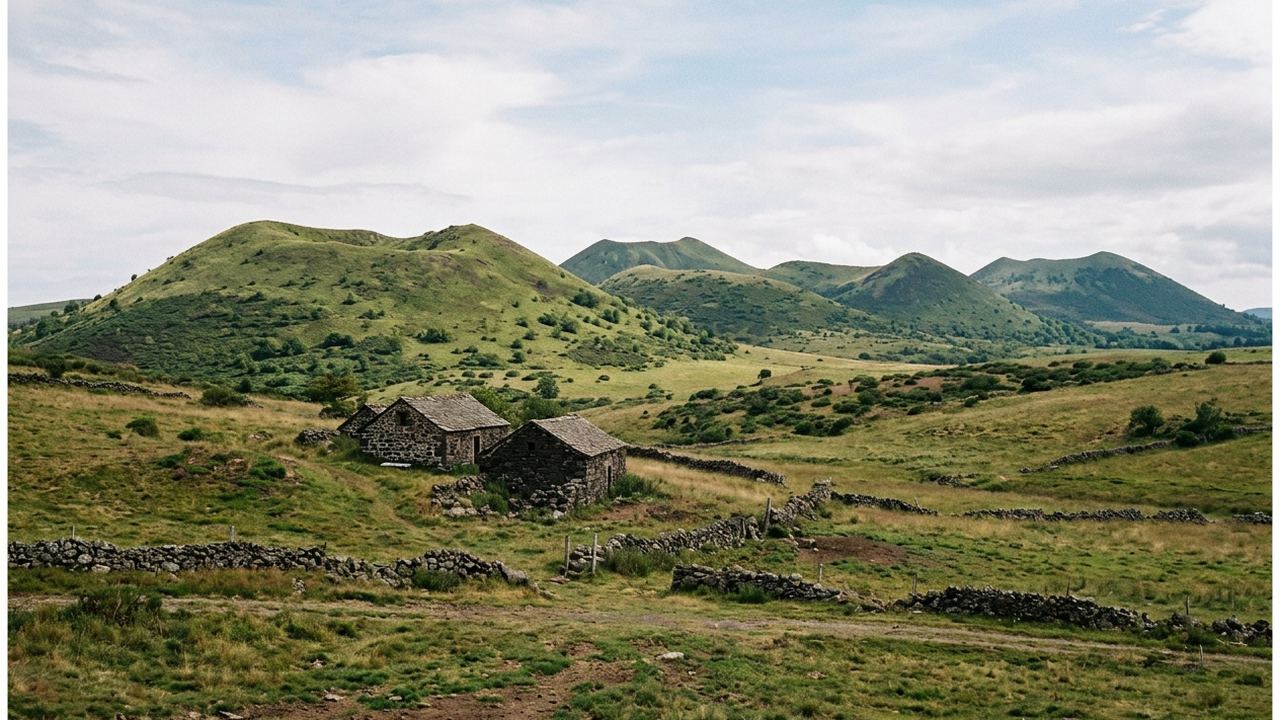
Nine nights in three family run hotels, three nights in each, one under the Chaîne des Puys, one in a spa town below Puy de Sancy and one in the Cantal, with a van carrying the bags between them.
from $3,190 per person
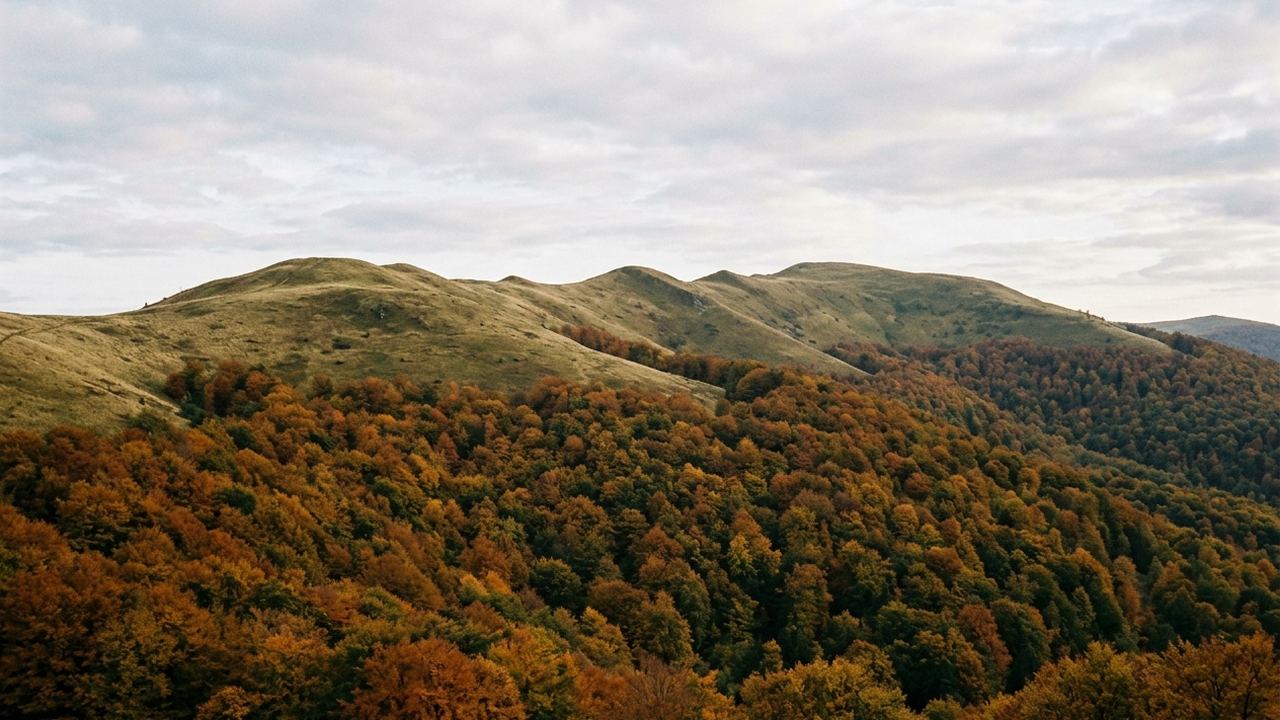
Nine nights in three family run guesthouses, three nights in each, with private rooms and shared bathrooms in two of them; you walk between valleys on marked trails while a driver takes the main luggage by road each moving day.
from $2,690 per person
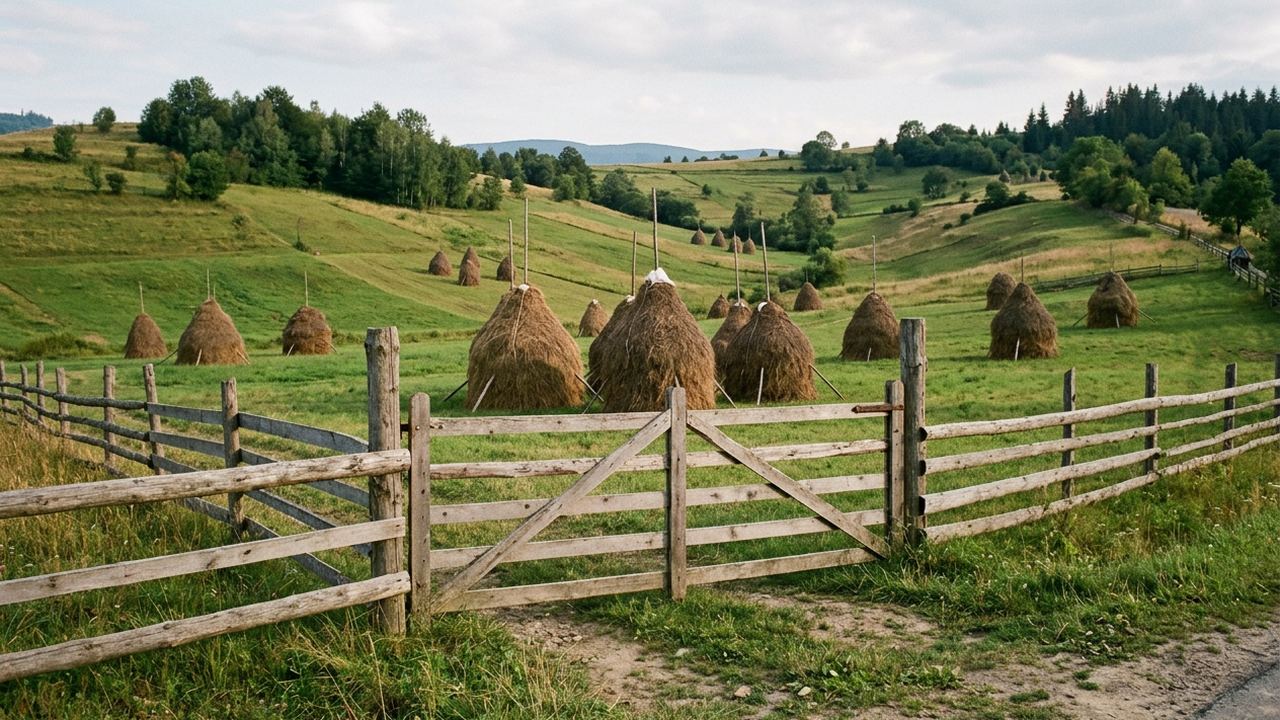
Nine nights in three guesthouses, two of them family run with six rooms or fewer, moving by private car with a driver who lifts the bags in and out, so luggage is handled three times in nine days and not once more.
from $2,310 per person
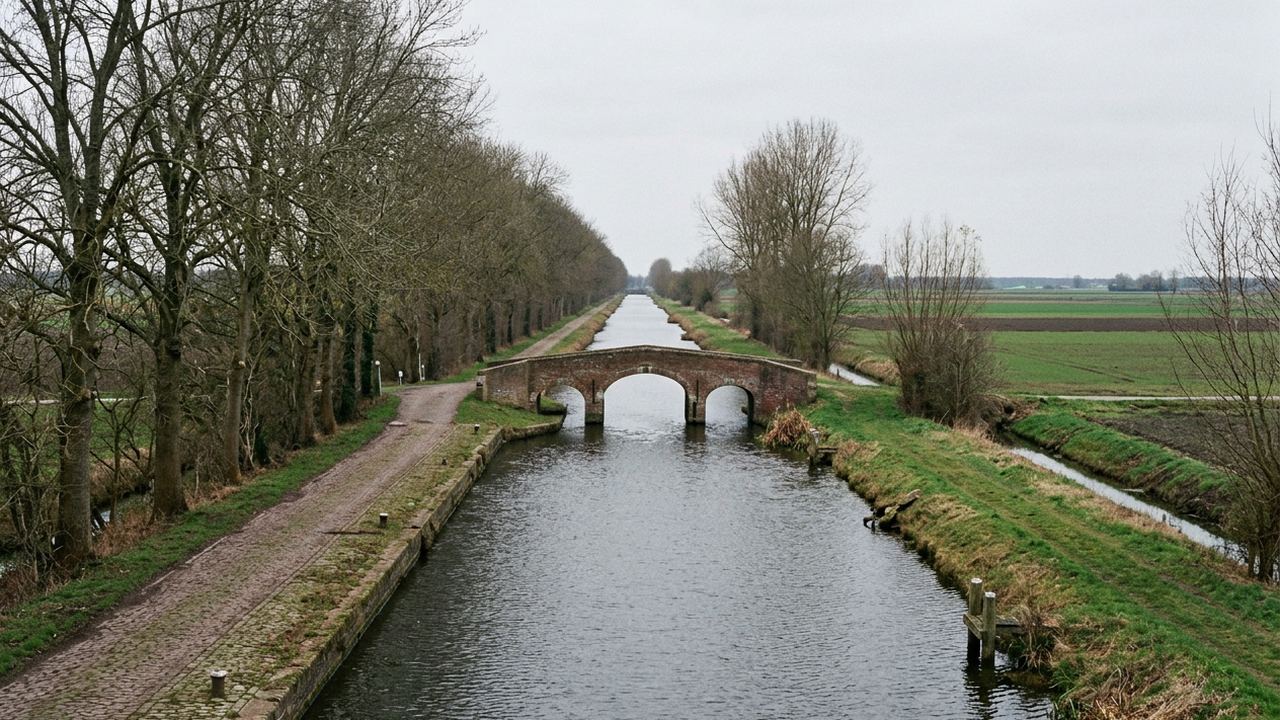
Nine nights across four towns, in family run hotels and one converted brick warehouse, moving between bases by regional train while a van carries the suitcases door to door, with rented bicycles collected and dropped at each base.
from $2,180 per person
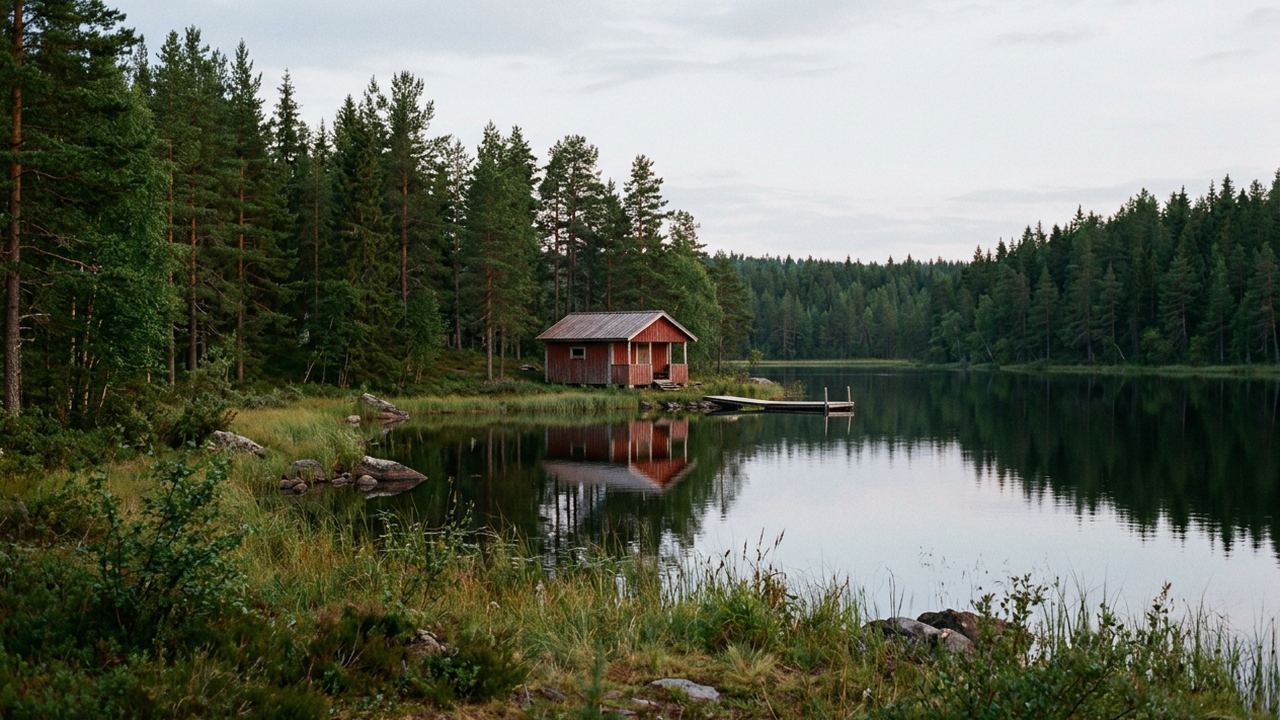
Nine nights: two in a small hotel in Joensuu at either end, seven in a lakeside timber cottage inland, moved between by a rental car you drive yourself, with your luggage staying in that car the whole time.
from $2,180 per person
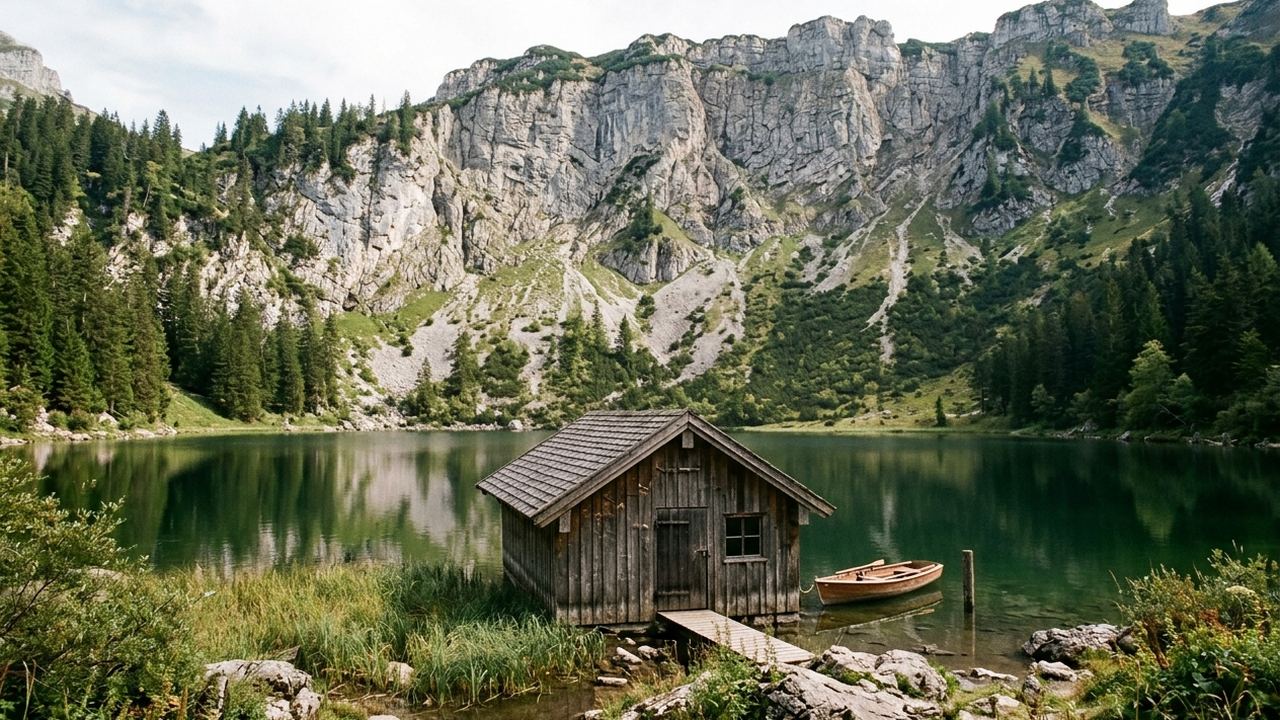
Nine nights in two family run guesthouses, six in Bad Ischl and three above the Attersee, both rooms with private bath and breakfast; the party moves once, by scheduled train and bus, carrying its own bags on that single day.
from $2,940 per person
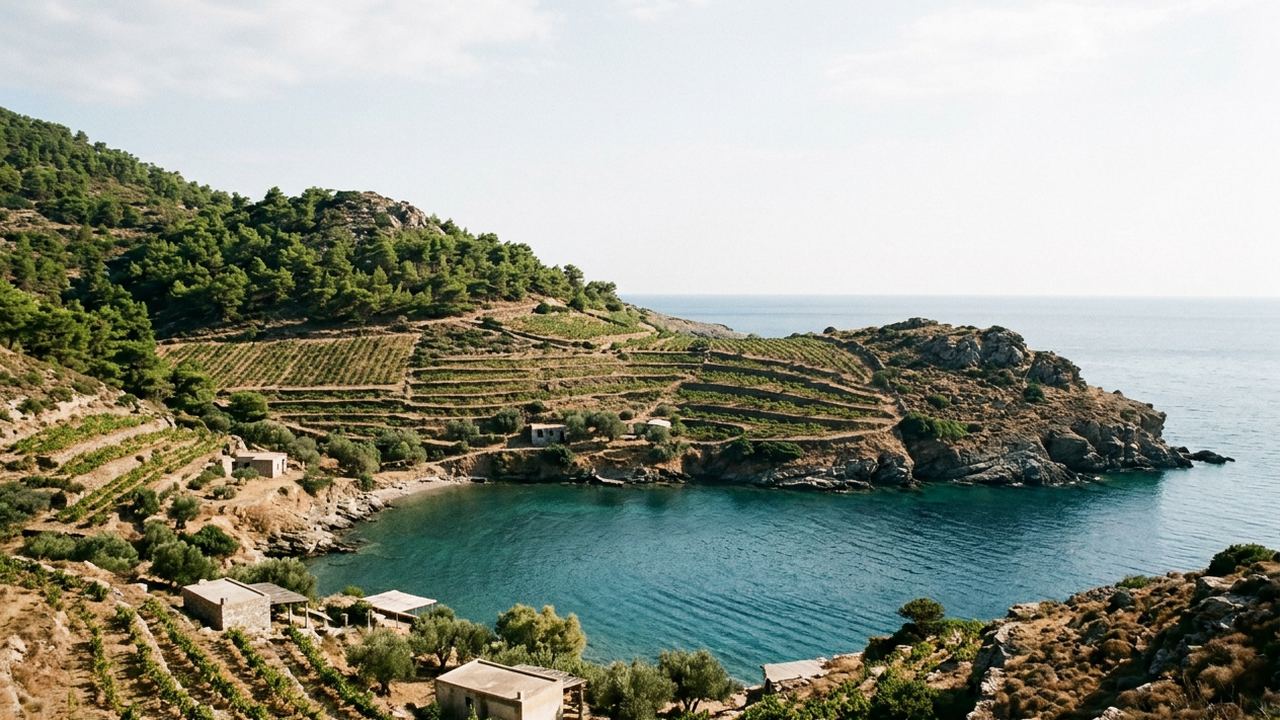
Nine nights in two family run guesthouses, five in a village above the north coast and four near the south coast harbor, with a local driver moving the party and the luggage between them while walkers carry a day pack.
from $2,265 per person
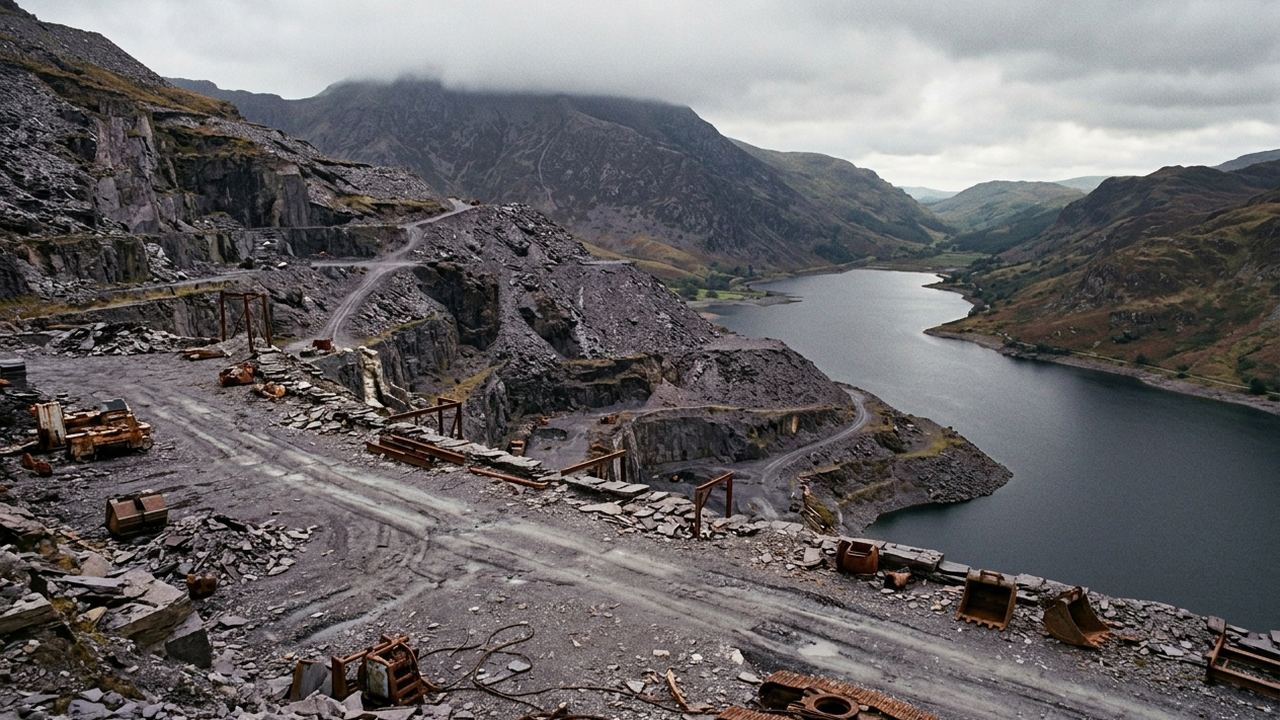
Nine nights in three towns, two in a harbor inn, four in a slate town guesthouse and three in a small coastal hotel, moving between them by scheduled narrow gauge and mainline trains, with bags carried by a local van between each base.
from $2,940 per person
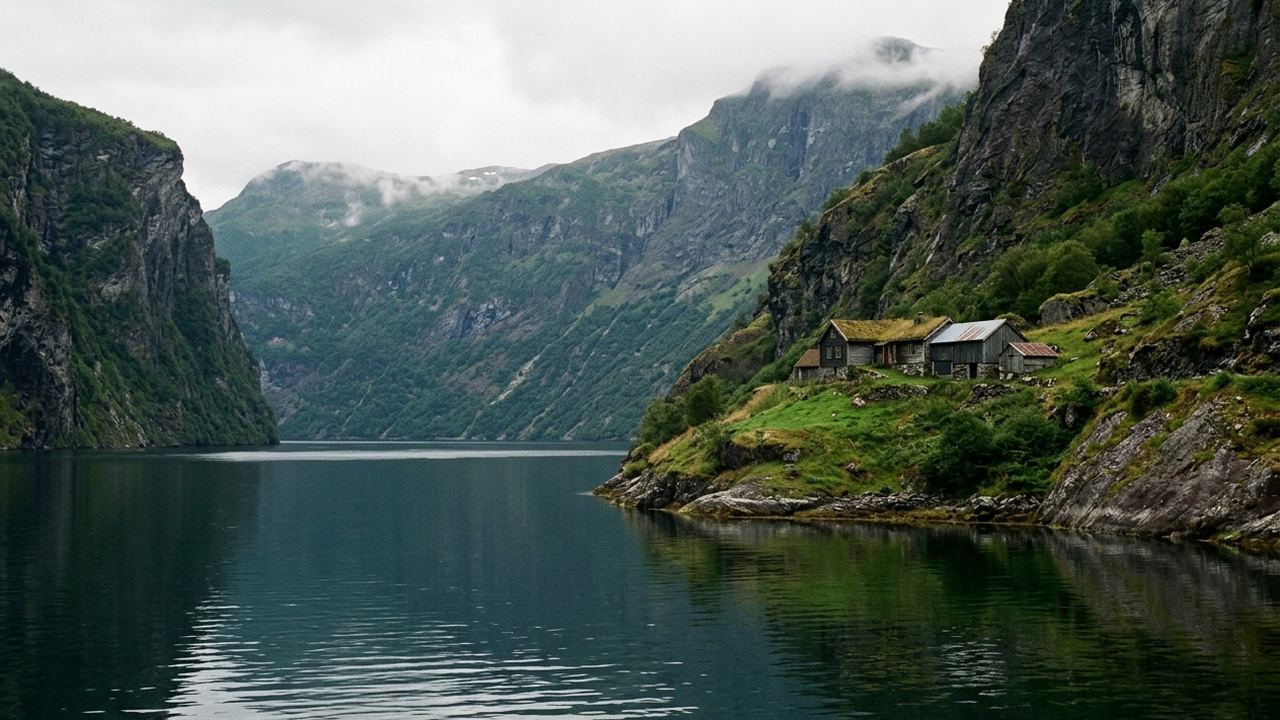
Eight nights split between a fjordside inn on the Hjorundfjord, two nights in a valley guesthouse in Norangsdalen, and two nights in Alesund, moved by car ferry and minibus, with your main bag carried between beds on the two moving days.
from $2,940 per person
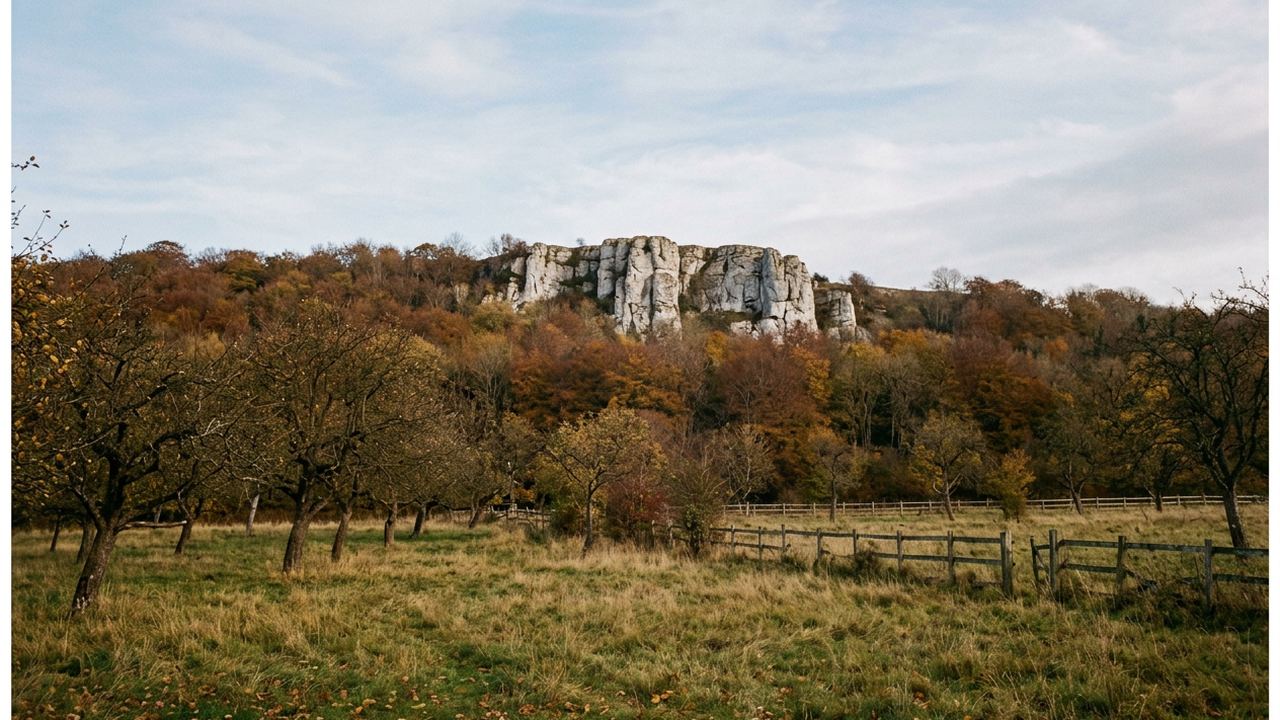
Nine nights in three family run village guesthouses, three nights in each, with days walked out and back from wherever you slept; luggage moves between the three by car on the two changeover mornings, so nobody carries a pack.
from $2,180 per person
And the ones that do not, said plainly rather than left off the page:
- basilicata
- The lower town is a staircase with no flat alternative route, so a party that moves at two speeds either splits up every morning or spends the week waiting on the steps.
- bay of fundy
- The tide sets the cutoff, so the slowest walker sets whether the whole party goes out on the sea floor at all, and there is no shortened version of the walk.
- costa vicentina
- The party walks the same cliff path or does not walk at all, and the person who cannot do the ascent out of Odeceixe has a two hour wait in a village with one cafe.
- epirus
- The stone stairs in the villages themselves cannot be avoided, so a walker who cannot do stairs is confined to one lane and a single square while the rest of the party goes up.
- galicia coast
- Nobody has yet found a version of the boat day, the quays or the granite lanes that works for a person who cannot manage eight rungs and a moving gangway, so a party travelling at two speeds will spend most of the week apart.
- hiiumaa
- The whole week is built on bicycles over gravel, and a party where one person rides 30 miles and another cannot ride at all will spend six days apart.
- lake skadar
- Two days are level and seated in a boat, but the village nights are not: Godinje and the Šestani paths are stone slopes with steps, and a party that walks at two speeds will spend those days apart.
- lower engadine
- The postbus reaches the trailheads but not the ridges, so a party split between a walker and someone who cannot climb spends most of each day apart with no easy midpoint.
- menorca
- Both guesthouses are walk ups with no elevator, the western town is cobbled and steep, and the walking surface is rock, so a party split between a strong walker and someone who cannot do stairs gets split at the front door rather than only on the path.
- north pennines
- The two guided days move as one group over open moor, and there is no shorter loop back to the village for somebody who cannot do the whole distance.
- west fjords
- Three days are long drives on gravel and two guesthouses put the beds up a staircase, so a party that splits into a walker and a person who cannot manage stairs will be uncomfortable for most of the week.
- zeeland
- Every person in the party rides the same distance on the same day, so a walker and a non rider cannot be split between the bike and a car.
Why a fixed base does most of the work
A single fixed base means the party unpacks once. That sounds like a comfort point and it is not: it is the structural feature that makes two speeds possible at all. When the bed does not move, the day is optional. The faster person leaves at eight and comes back at six. The slower person does whatever the day allows, which on a bad day is nothing, and the trip has not been damaged, because nobody is holding a bag on a platform waiting for them. On a moving itinerary a bad day costs the whole party the next hotel.
The second structural feature is a real rest option every day, not most days. A rest option is real when it exists without transport, without a booking made that morning, and without the slower person having to explain themselves to a group. A cafe eight minutes from the door on flat ground is a real rest option. A rest option that requires a twenty minute bus each way is not, and it is the one most often described as one. Where a trip has a fixed base but the base is up a hill, this office says so on the trip page, because a fixed base at the top of a 240 foot climb undoes most of what a fixed base is for.
- one walks, one does not
- needs a base plus an evening meeting point that is reachable without walking, usually the accommodation itself
- stairs are the limit, not distance
- rules out about half the accommodation on any given trip, and it has to be asked before dates are held, not after
- heat is the limit
- changes the month rather than the trip, and moves an eleven mile day from July to late September
- one person tires by two in the afternoon
- needs the fixed content of the day scheduled in the morning, which some operating companies will do and some will not
- wheelchair or walker in the party
- needs door widths, thresholds and the ground surface between the door and the road, in inches, before anything else is discussed
- one person will not be left behind and says so
- the trip has to have a shared activity that both speeds can do, most days, or the arrangement fails socially even when it works logistically
- the gap is new and nobody has tested it
- first trip should be the shortest one that works, because the party is finding out what the gap actually is
The trip sold as gentle that is gentle on average
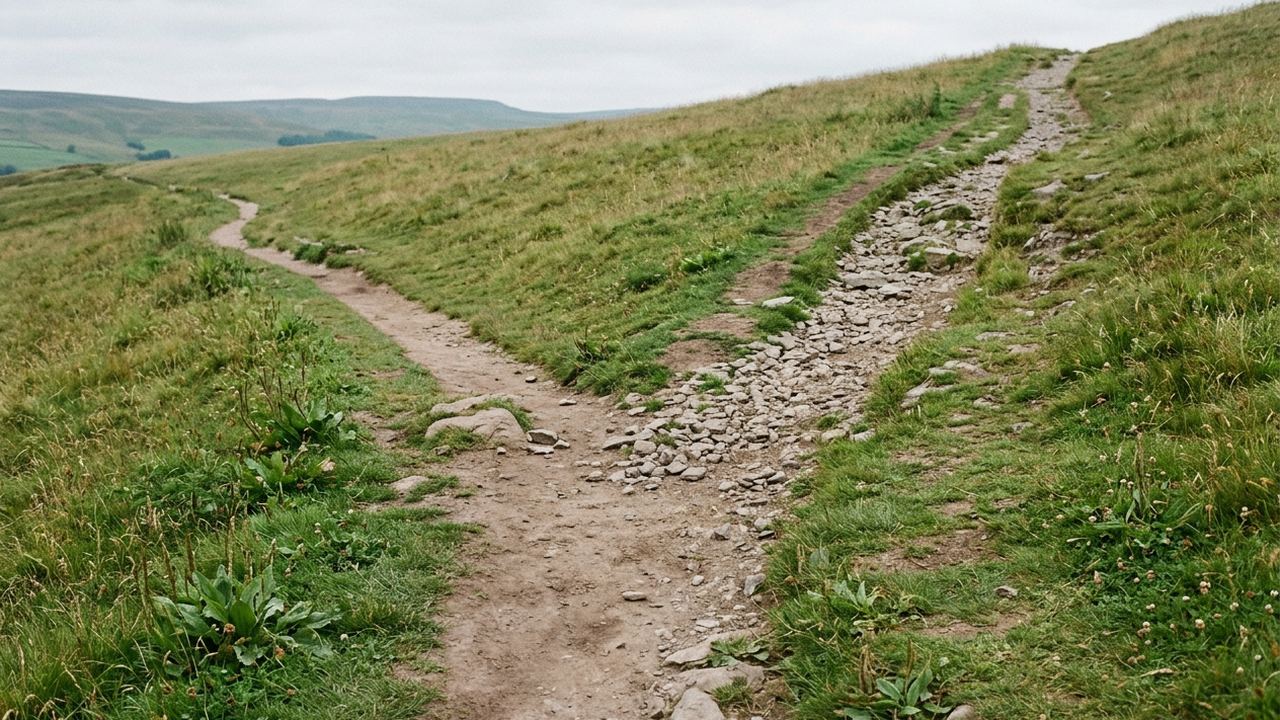
The dishonest answer to this obstacle is a trip described as easy, gentle, relaxed or leisurely, where those words describe the average of the week. Six days of two miles on the flat and one day of nine miles with 1,700 feet of climb averages out to a gentle trip. It is not a gentle trip. It is a gentle trip with one day on it that half the parties in this position cannot do, and that day is usually the one everything else is arranged around: the day with the boat, the day with the high point, the day the group is together.
The failure is not that the difficult day exists. It is that opting out of it is not free. On most trips built this way, the slower person who skips that day is left in a place where there is nothing arranged, no transport running and no way to rejoin the party until evening, because the whole group and both guides have gone. This office reads the day by day description of every trip it books and looks at the single hardest day, not the average, and where a trip has one day that does not match the rest, that day is stated in miles, feet of climb and hours on foot on the trip page. Whether a particular person can do that day is between them and whoever advises them on it. This office does not assess anyone's health and does not ask about it.
What the desk actually does with a two speed party
You write in through the form on any page, in whatever words you have. The useful version says what each person can do on an ordinary day, in miles or in minutes on their feet, and names the thing that actually stops the day: stairs, heat, distance, standing, or the length of time before a rest. The form runs 24 hours a day and never closes, and whatever arrives is read by a person before that working day ends. Nobody replies with a brochure.
Then the questions go out to the companies that operate the trips: how many steps to the room, is there an elevator and what happens when it is out, how far is the nearest place to sit down, what is the shortest version of day four and does anyone accompany the person who takes it, and can a room be held on the ground floor rather than requested. A written figure priced against your particular dates takes two to four working days, because those answers come back from operating companies on their own schedule. The figure covers what is booked and states what is not. Quiet Quarterly takes no payment from you at any stage and holds no card details: the reservation sits with the company running the trip, and you pay that company directly on their terms.